
Why soy candles burn longer is a question with more than one answer. This guide explores wax, wick size, candle design, and everyday burn habits to help you understand burn time.
Table of Contents
- Why Soy Candles Burn Longer Than Paraffin
- How Long Do Soy Candles Burn? A Realistic Estimate by Size
- Why Is My Soy Candle Burning Too Fast?
- How to Make Soy Candles Last Longer
- How to Stop Candle Tunneling and Get a Full Melt Pool
- Soy vs. Paraffin vs. Coconut Wax: A Fair Burn-Time Comparison
- Safety During Long Burns
- Conclusion: What Really Determines Soy Candle Burn Time
- Frequently Asked Questions
Last Updated: October 16, 2026
Why Soy Candles Burn Longer Than Paraffin
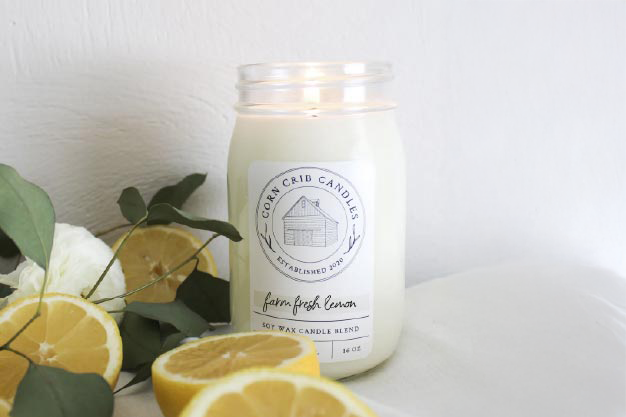
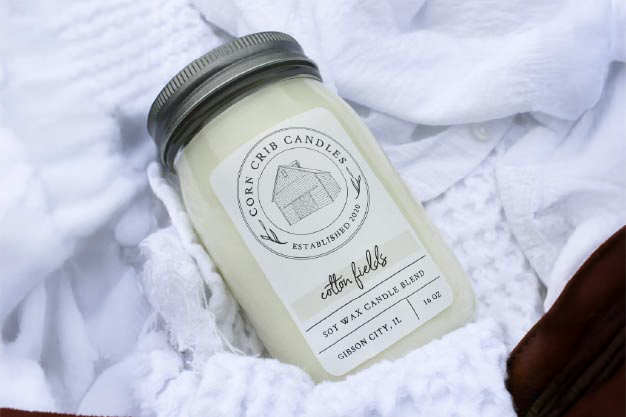
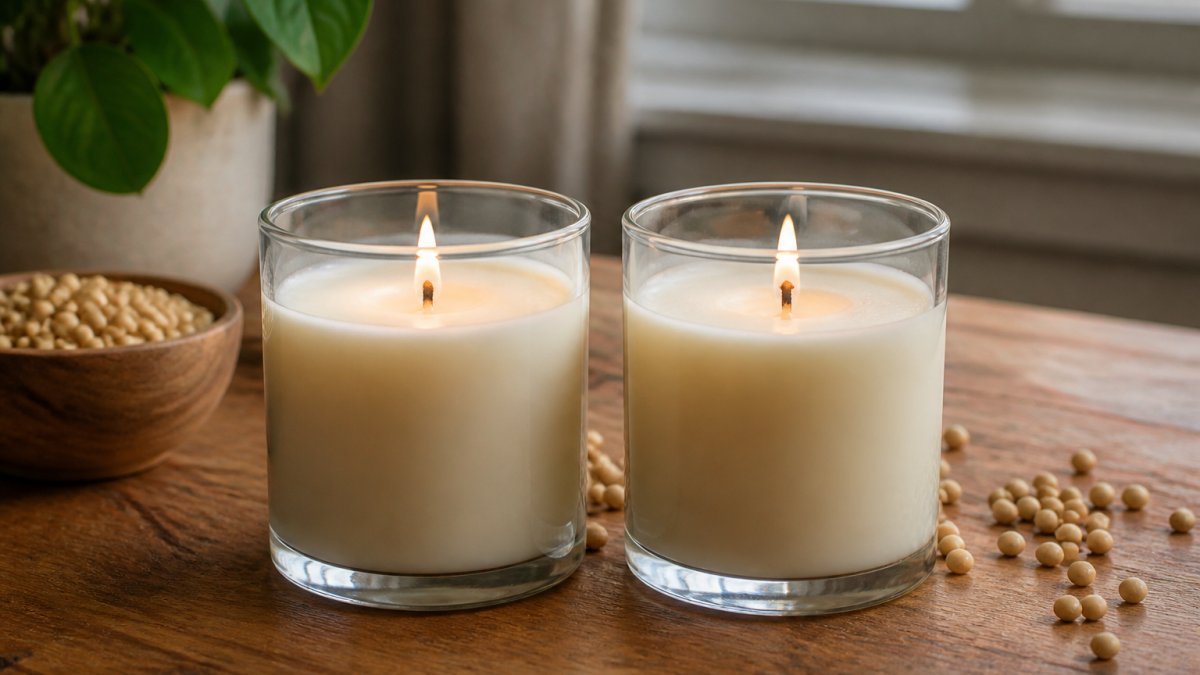
Soy candles burn longer than paraffin candles because soy wax is a hydrogenated vegetable oil with a lower melting point, so it melts and feeds the wick at a steadier, slower pace. At Corn Crib Candles, we hand-pour 100% soy candles with cotton wicks, and customers ask us this constantly. Wax type matters, but wick size, candle diameter, drafts, and burn habits often change burn time more than the wax itself.
The Melting Point Difference
Soy wax is made from soybean oil and melts at a lower temperature than paraffin. The wax pool forms faster at the top, but the candle burns at a gentler rate overall because the flame does not have to work as hard to keep fuel flowing. That is why people call soy a "cooler burn", fair, but it does not mean double the burn time.
What the Science Can and Cannot Explain
Melting point explains part of the difference, not all of it. Wax chemistry sets the ceiling on how long a candle can burn; your habits decide how close you get. A soy candle in a drafty hallway will finish before a paraffin candle in a still, warm room. Anyone who says wax type alone determines burn time is oversimplifying.
How Long Do Soy Candles Burn? A Realistic Estimate by Size
Burn time scales with wax weight, not jar size. A wider candle holds more wax but needs a bigger wick and a longer first burn to melt evenly. Here is the calculation method so you can estimate any candle you own.
The Burn-Rate Method
Most soy candles consume wax at roughly 0.15 to 0.25 ounces per hour under normal indoor conditions with a properly sized, trimmed wick. To estimate your candle:
- Find the wax weight in ounces (the net weight on the label, not the jar size).
- Divide by a burn rate. Use 0.20 oz/hour for a middle estimate, 0.15 oz/hour for a slow, well-managed burn, and 0.25 oz/hour for a fast, drafty, or oversized-wick burn.
- The result is your estimated burn time in hours.
Example: a 16 oz soy candle at 0.20 oz/hour = about 80 hours. The same candle in a drafty room at 0.25 oz/hour = about 64 hours. Same wax, 16 fewer hours, that is the variable competitors leave out.
Estimated Burn Time by Wax Weight
| Wax Weight | Slow Burn (0.15 oz/hr) | Typical Burn (0.20 oz/hr) | Fast Burn (0.25 oz/hr) | First Burn Goal |
|---|---|---|---|---|
| 2 oz | 13 hours | 10 hours | 8 hours | Full melt pool in 30-45 min |
| 6 oz | 40 hours | 30 hours | 24 hours | 1.5-2 hours |
| 8 oz | 53 hours | 40 hours | 32 hours | 2 hours |
| 16 oz | 107 hours | 80 hours | 64 hours | 2-3 hours |
These are estimates, not promises. A 16 oz candle burned in 10-minute bursts falls below the fast column because the melt pool never forms and wax is wasted on the sides. Burned in two-to-three hour sessions with a trimmed wick, it lands near the slow column.
How to Measure Your Own Candle's Burn Rate
A kitchen scale and a notepad are enough:
- Weigh the candle before the first burn and write down the number.
- Burn in your normal sessions, trimming the wick each time.
- Weigh the candle again after every 10 hours of burn time.
- Subtract the new weight from the starting weight, then divide by the hours burned. That is your ounces per hour.
- Divide the remaining wax weight by that rate to project the hours left.
A candle that loses 2 ounces over 10 hours burns at 0.20 oz/hour; with 6 ounces left, you have roughly 30 hours remaining. This is the same math candle makers use to set label burn times, and the honest way to compare brands.
Why Is My Soy Candle Burning Too Fast?
A soy candle burning too fast is almost always a wick, draft, or habit problem, not a wax problem.
Wick Size and Wax Formulation
Wick size is the number one cause. A wick that is too large pulls more wax into the flame than needed and burns hot and fast; too small and the candle tunnels, wasting wax. Wax formulation matters too: soy is often blended with another wax or additive for scent throw and stability, and a higher fragrance load burns slightly faster.
Drafts, Room Temperature, and Burn Habits
Air movement is the silent killer of burn time. A ceiling fan, open window, or AC vent pushes the flame sideways, speeding up wax consumption and causing uneven burning. Room temperature matters too: warm rooms pool unevenly, cold rooms may never reach a full melt pool. Aim for a comfortable room temperature and let the candle adjust before lighting.
Habits matter most of all:
- Burning for 10 minutes at a time never lets the melt pool form
- Burning for 6 hours at once overheats the wax and the vessel
- Skipping wick trimming lets the flame grow and burn hotter
How to Make Soy Candles Last Longer
Extend a soy candle's life with a routine that takes less than a minute per burn.
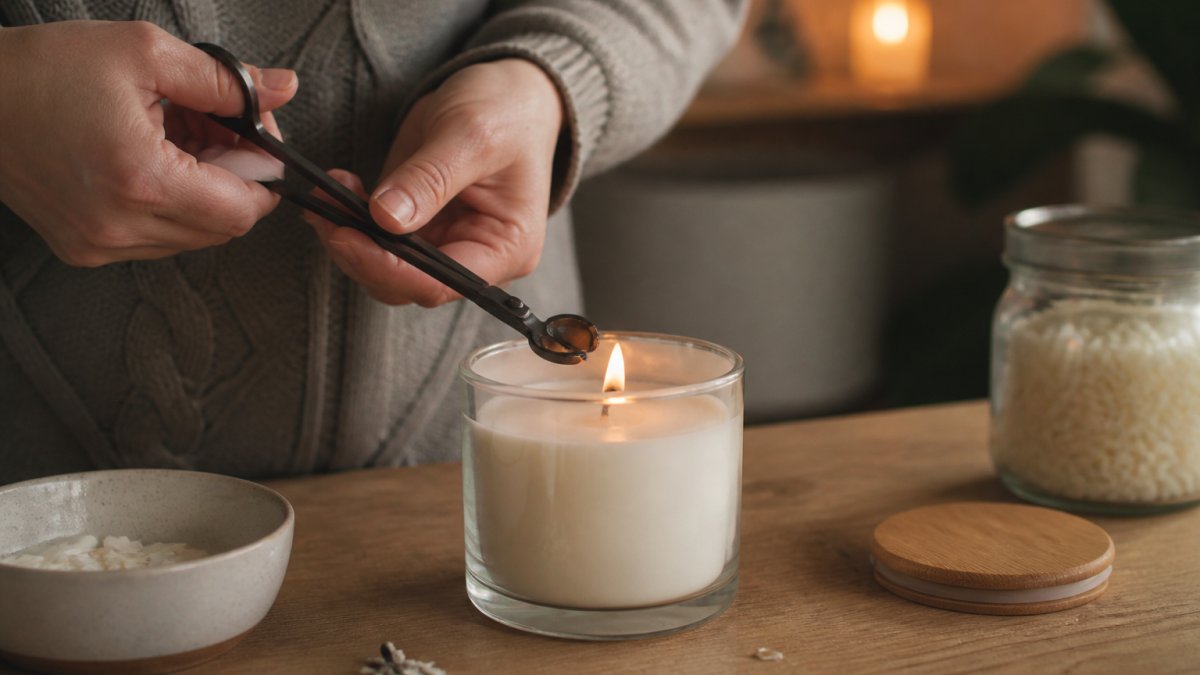
- Trim the wick to 1/4 inch before every burn. Use wick trimmers or sharp scissors. A short wick keeps the flame small and the burn slow.
- Burn for 2-3 hours at a time. Long enough to form a full melt pool, short enough to avoid overheating.
- Keep the candle out of drafts. Move it away from fans, vents, and open windows.
- Snuff instead of blowing. A snuffer cuts the flame without splashing wax or soot.
- Store candles in a cool, dark place. Heat and sunlight can soften wax and fade scent over time.
- Rotate your candles. Burning one at a time keeps each candle's melt pool even.
How to Stop Candle Tunneling and Get a Full Melt Pool
Candle tunneling happens when the flame burns straight down the middle and leaves a ring of unused wax on the sides, almost always from a first burn that was too short. The fix is to give the candle enough time on the first light to melt wax to the edge of the jar:
- On the first burn, let the candle run until the melt pool reaches the rim, usually 2-3 hours for a standard jar.
- Trim the wick before every subsequent burn.
- If tunneling has already started, wrap a strip of foil around the top of the jar with a small opening over the wick. This traps heat and helps the edges catch up.
- Never burn longer than 4 hours at a stretch. After that, let the candle cool and re-trim.
A full melt pool keeps the wax level dropping evenly and gives the strongest scent throw.
Soy vs. Paraffin vs. Coconut Wax: A Fair Burn-Time Comparison
Most soy, paraffin, and coconut wax comparisons are not fair tests. They compare candles of different sizes, wicks, vessels, and fragrance loads, then credit the wax. A fair comparison holds everything except the wax constant: same wax weight, wick type and size, vessel diameter, fragrance load, room, burn sessions, and wick-trimming routine.
What a Controlled Comparison Looks Like
To compare two waxes honestly, you need:
- Equal wax weight. A 16 oz soy candle versus an 8 oz paraffin candle tells you nothing about wax.
- Equal wick. Same wick series and size. A larger wick in one candle will burn faster regardless of wax.
- Equal vessel. Same diameter and material. A wider vessel needs a bigger wick and a longer first burn.
Run that test and the gap between soy and paraffin narrows to a modest difference, often within the natural variation between two candles of the same wax. Soy frequently finishes slightly ahead because its lower melting point feeds the wick at a steadier rate, but the margin is rarely the dramatic doubling some marketing implies.
Wax Type Comparison at a Glance
| Wax Type | Melting Point | Burn Character | Scent Throw | Practical Trade-off |
|---|---|---|---|---|
| Soy wax | Lower | Slower, cooler, even | Good in a full melt pool | Can frost or crack in temperature swings |
| Paraffin wax | Higher | Hotter, faster, can soot | Strong, sometimes sharp | Petroleum-derived; more soot if wicked poorly |
| Coconut wax | Lowest | Very slow, soft | Excellent, clean | Softest; can slump in warm rooms |
| Soy-coconut blend | Low | Slow, balanced | Strong | Best all-around, but not pure soy |
Coconut wax and coconut-soy blends burn slowest but are softest and struggle in warm rooms. Soy sits in the middle: slow enough to last, firm enough to hold up in a jar. Paraffin burns hottest and fastest, producing more soot when the wick is oversized.
Why Wax Type Alone Does Not Decide the Race
Wax chemistry sets the ceiling on burn time; the wick, vessel, fragrance load, and your habits decide how close you get. A poorly wicked soy candle can burn faster than a well-made paraffin candle, and a soy candle in a drafty hallway will finish before a paraffin candle in a still room. Anyone who says wax type alone determines burn time is oversimplifying, including anyone selling you a candle.
Safety During Long Burns
Long burns are where most candle accidents happen. The National Candle Association and the U.S. Consumer Product Safety Commission candle safety guidance both recommend keeping a burning candle within sight and away from anything that can catch fire.
Follow these rules for any burn over two hours:
- Never leave a burning candle unattended
- Keep candles at least 12 inches from curtains, paper, and furniture
- Place candles on a heat-safe, stable surface
If a candle smokes, flickers wildly, or the flame grows tall, snuff it out and let it cool. A tall flame means the wick needs trimming, not that the candle is working harder.
Conclusion: What Really Determines Soy Candle Burn Time
Understanding why soy candles burn longer means looking beyond wax alone. Wick size, candle design, and burn habits all play a part..
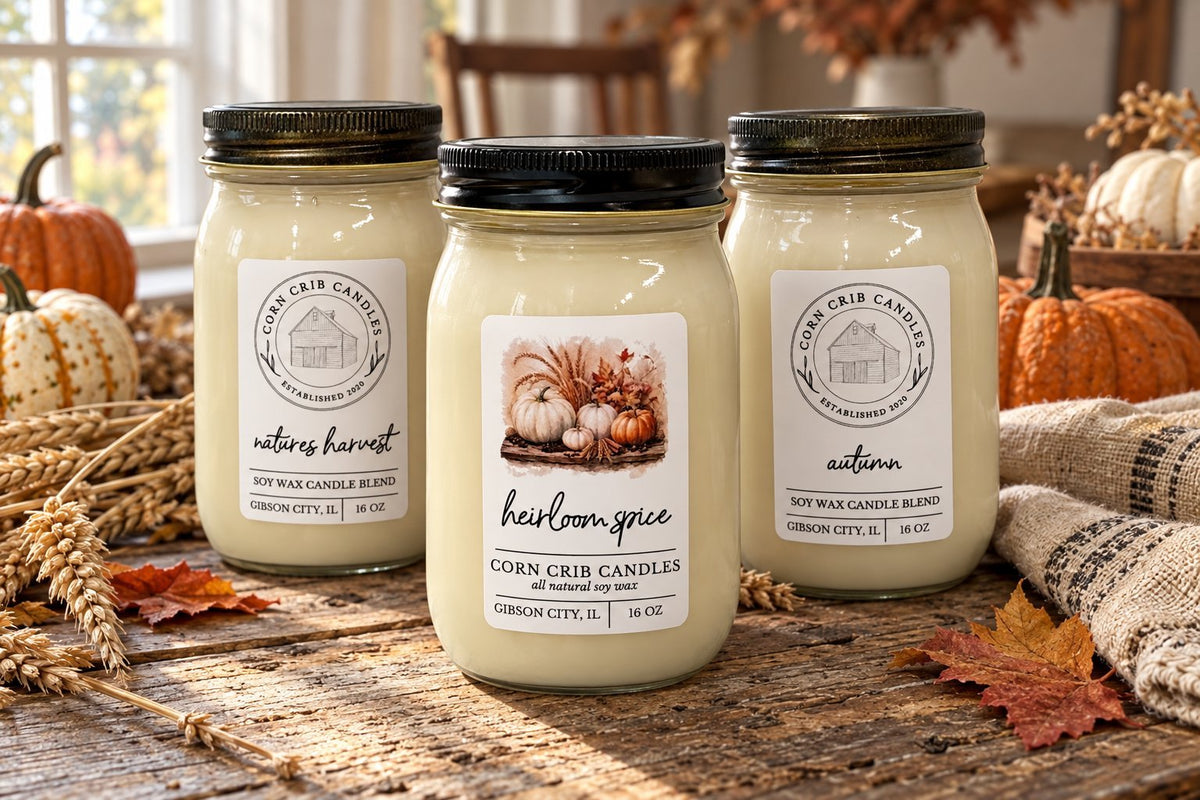
At Corn Crib Candles, we hand-pour 100% soy candles with cotton wicks in small batches. Our 16 oz candles, like Heirloom Spice and Amber Moon, are built for slow, even burns that fill a room without soot.


National Candle Association burn time and safety guidance
Frequently Asked Questions
Do soy candles burn longer than paraffin candles?
In most cases, yes, but the difference is often smaller than marketing suggests. Soy wax has a lower melting point than paraffin, so it tends to burn at a cooler temperature and release fragrance more slowly. However, burn time also depends on wick size, candle diameter, fragrance load, and how you care for the candle. A well-made paraffin candle with a properly sized wick can outlast a poorly made soy candle. The wax type matters, but it is not the only factor.
How long should a soy candle burn per session?
For the first burn, let the candle burn until the melt pool reaches the edge of the container, usually one to two hours for a standard 16 oz jar. After that, keep sessions to about two to four hours at a time. Burning longer than four hours can cause the wick to mushroom, the wax to overheat, and the scent to fade. Following this routine helps soy candles burn longer over their full lifespan.
Why is my soy candle burning too fast?
Several things can make a soy candle burn too fast. These include an oversized wick, drafts, long burn sessions, or a high fragrance load.
How do I stop my soy candle from tunneling?
Tunneling happens when the melt pool never reaches the edge of the jar, leaving wax stuck to the sides. To prevent it, always allow a full melt pool on the first burn, which can take one to two hours depending on jar size. Trim the wick to 1/4 inch before every burn, and avoid burning in cool rooms or near drafts. If tunneling has already started, you can wrap aluminum foil around the top of the jar with a small opening to trap heat and help the wax melt evenly.
Candle care is simple, but it rewards consistency. Corn Crib Candles makes hand-poured 100% soy candles with cotton wicks, produced in small batches with clean ingredients and scents. Trim the wick, burn in two-to-three hour sessions, and keep the candle away from drafts. Shop our best sellers and get a candle that burns the way it should.


Leave a comment
This site is protected by hCaptcha and the hCaptcha Privacy Policy and Terms of Service apply.