

Table of Contents
- The Verdict: Are Soy Candles Worth It
- Soy Candles vs Paraffin Candles: What Sets Them Apart
- How Long Do Soy Candles Burn and What's the Real Cost
- Soy Candle Pros and Cons: A Balanced Look
- Are Soy Candles Non-Toxic and Better for Indoor Air Quality
- Environmental Impact and Renewable Sourcing
- Who Should Buy Soy Candles and When
- Frequently Asked Questions
Last Updated: October 11, 2026
The Verdict: Are Soy Candles Worth It
Whether soy candles are worth it depends on what matters most to you. If you prioritize clean burning, longer burn times, and supporting small-batch makers, soy candles deliver real value. If you're purely chasing the cheapest option, paraffin will always undercut them. Understanding the trade-offs helps you decide whether soy candles are worth it for your home.

Marketing claims often outpace reality. What actually matters: burn quality, scent performance, longevity, and whether the price aligns with what you're getting. This guide breaks down the real advantages and genuine drawbacks so you can make an informed choice.
Soy Candles vs Paraffin Candles: What Sets Them Apart
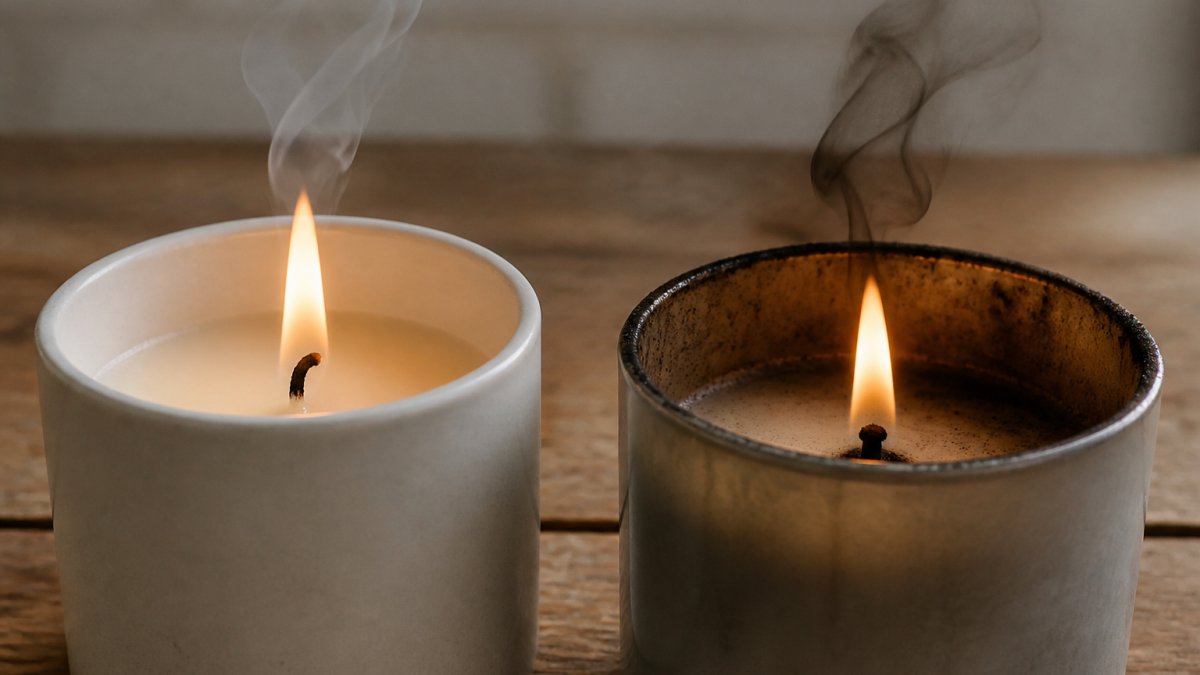
Paraffin is petroleum-derived, cheaper to produce, and holds color well. Soy comes from soybean oil, burns slower, and produces less soot. The right choice depends on your priorities.
Burn Quality and Soot Production
Soy wax produces noticeably less soot, the dark residue that accumulates on walls and ceilings over time. Paraffin candles shed more particulate matter, which accumulates faster in smaller rooms or poorly ventilated spaces.
Soy wax burns cooler and slower, lasting 30-50% longer than paraffin candles of the same size. The burn is cleaner and more even with cotton wicks. Paraffin candles burn faster and hotter, requiring more frequent replacement.
Scent Throw and Performance
Scent throw depends on wax type, wick quality, fragrance concentration, room size, and air circulation. Paraffin releases scent aggressively because it burns hotter, feeling stronger initially. Soy releases scent gradually, maintaining better performance over the full burn life.
After an hour, paraffin candles often lose scent throw as the wax cools, while soy candles maintain more consistent delivery. In smaller rooms, a quality soy candle fills the space adequately; in larger spaces, you may need multiple candles.

How Long Do Soy Candles Burn and What's the Real Cost
A 16-ounce soy candle typically burns for 50-80 hours, while paraffin delivers 30-50 hours. However, these numbers assume consistent testing conditions that vary in real-world use.
Understanding Burn-Time Testing and Real-World Variables
Burn time varies with wick diameter, wax composition, room temperature, air circulation, and burn session length. A candle tested at 70°F with no drafts performs differently in a drafty kitchen or heated bedroom. If your home differs from standard testing conditions, actual longevity will vary.
Wick size is the most significant variable. A larger wick (0.5 inches) burns 20-30% faster than a thinner wick (0.25 inches). A properly sized thin wick will outlast manufacturer estimates if burned in cooler rooms or with longer sessions (2+ hours per burn).
Tunneling occurs when wax melts only around the wick, wasting 20-40% of the wax. This is more common with soy candles because they burn cooler and require longer initial burn sessions (at least 2 hours). Proper use, burning for at least 2 hours initially and 1-2 hours subsequently, is essential to achieving advertised soy burn times.
Cost-Per-Burn-Hour Comparison
A 16-ounce soy candle at $22 delivering 60 hours costs $0.37 per hour. A paraffin candle at $10 delivering 40 hours costs $0.25 per hour, cheaper per hour, but you purchase twice as often.
Over six months of regular use (burning 3-4 times per week), the math shifts. Six soy candles at $22 each ($132 total) deliver roughly 360 hours of burn time. Twelve paraffin candles at $10 each ($120 total) deliver roughly 480 hours. On pure cost-per-hour, paraffin wins by about 8%. However, if you factor in the time and effort of purchasing candles more frequently, the convenience and reduced waste of soy candles adds value that pure hourly cost doesn't capture.
The real advantage of soy candles emerges if you burn candles daily or nearly daily. In that scenario, the reduced purchase frequency saves money over time and reduces packaging waste. If you burn candles occasionally (a few times per month), the upfront price difference of soy candles matters more than longevity, and paraffin remains the more economical choice.
Soy Candle Pros and Cons: A Balanced Look
Key Advantages
Soy candles deliver real benefits, though not all of them apply equally to every buyer. The cleaner burn is measurable: less soot means fewer particles in your air and less buildup on walls and ceilings. Over a year of burning candles regularly, the difference becomes visible. Longer burn time means fewer candle purchases, which appeals to people who burn candles frequently or want to reduce consumption and waste.
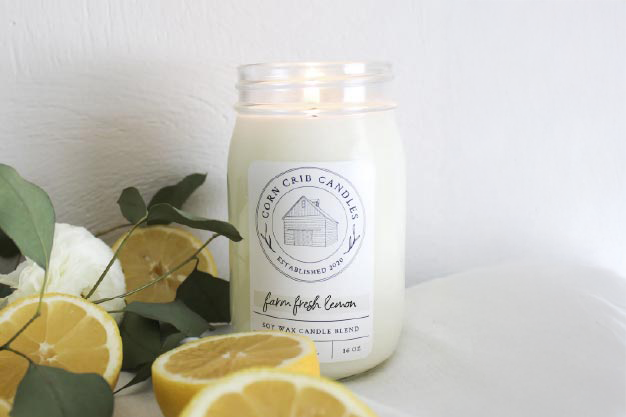
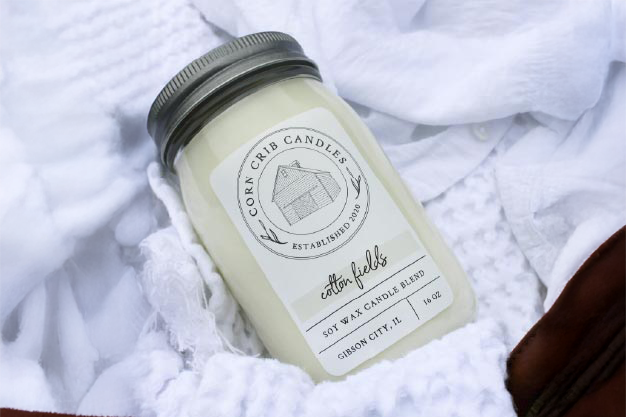
Supporting small-batch makers and family-owned businesses resonates with many buyers. Corn Crib Candles hand-pours every candle using 100% soy wax and cotton wicks, methods that take more time but produce better results. That craftsmanship isn't just marketing; it affects burn quality, scent performance, and how the candle behaves as it burns.
Soy wax is renewable and biodegradable, which matters if environmental impact influences your purchasing. Soybean oil is a crop-based resource, unlike petroleum-based paraffin. It breaks down naturally in soil and water, whereas paraffin persists. This advantage carries caveats (soy farming has its own environmental footprint), but for many buyers, renewable sourcing is meaningful.
Real Drawbacks to Consider
Soy candles aren't perfect. They cost more upfront, and that price difference is real whether you burn candles daily or monthly. For gift-givers on a budget, paraffin candles offer more quantity for less money. Soy candles also tunnel more easily if not burned properly, if you light them for only 15 minutes at a time, the wax pool won't melt fully across the container, and you'll waste wax down the sides.
Scent throw, despite the marketing, isn't universally stronger in soy candles. In large, open rooms with air circulation, a quality paraffin candle may actually perform better because it burns hotter. Some people prefer the immediate, aggressive scent release of paraffin.
Availability is also a consideration. Paraffin candles are everywhere, supermarkets, drugstores, big-box retailers. Soy candles require more deliberate shopping, often online or at specialty retailers. If you want a candle today, not next week, paraffin wins on convenience.
Are Soy Candles Non-Toxic and Better for Indoor Air Quality
The "non-toxic" claim deserves scrutiny. Soy wax itself is non-toxic, but candles involve more than wax: they include fragrance oils, dyes, and wicks. The fragrance matters most. Many soy candle makers use synthetic fragrance oils, which are also safe when burned in normal quantities. The difference between soy and paraffin here isn't wax type, it's the fragrance formulation and the candle maker's choices.
Corn Crib Candles uses clean fragrance oils and cotton wicks, both of which contribute to safer burning. Cotton wicks don't release lead or heavy metals (though lead-core wicks were phased out in the US decades ago) (CPSC Bans Candles With Lead-Cored Wicks). The real indoor air quality benefit of soy candles comes from reduced soot production, not from the wax being "non-toxic." Less soot means fewer airborne particles, which is measurable and meaningful, especially in smaller rooms.
If you're sensitive to synthetic fragrances or have respiratory concerns, soy candles aren't automatically better than paraffin, the fragrance formulation matters more than the wax type. The safest approach: choose candles made by makers who disclose their ingredients and wick materials, regardless of wax type.
Environmental Impact and Renewable Sourcing
Soy wax is renewable because it comes from soybean crops, which regenerate annually. Paraffin is a petroleum byproduct, non-renewable and fossil-fuel dependent. That's a legitimate environmental advantage for soy. However, the full picture includes soy farming practices, transportation, and processing energy. Industrial soy production involves pesticides, land use, and supply chain emissions. It's still better than petroleum extraction for most environmental metrics, but it's not carbon-neutral.
Biodegradability is another soy advantage. Soy wax breaks down in soil and water within months to a few years, depending on conditions. Paraffin persists indefinitely. For candle wax specifically, this matters less than for other products because most people throw away candle remnants in household trash, not compost or soil. But if environmental impact influences your choices, soy represents a smaller footprint over its lifecycle.
The most environmentally conscious choice isn't necessarily about wax type, it's about consumption. Burning fewer, longer-lasting candles (soy) creates less waste than buying multiple cheap candles (paraffin). A single hand-poured soy candle that lasts 60 hours beats buying three paraffin candles that total the same time.
Who Should Buy Soy Candles and When
Soy candles make sense for people who burn candles regularly (at least weekly) and value cleaner burning and longer-lasting products. If you burn candles daily or several times a week, the cost-per-burn-hour favors soy, and the reduced soot is worth noticing.
People sensitive to synthetic fragrances might prefer soy candles from makers who disclose ingredients and use lower fragrance concentrations, but this depends on the specific maker, not the wax type. Buyers prioritizing environmental impact should choose soy, though they should also consider supporting small-batch makers who use sustainable practices beyond just wax choice.
Paraffin candles remain the better choice if budget is your primary concern, if you want immediate availability, or if you prefer aggressive scent throw in large spaces. They're also fine for occasional burning or for situations where you don't care about soot accumulation.
Are soy candles worth it? For regular users who value quality, longevity, and clean burning, yes. If you're ready to experience the difference, explore our collection of signature scents designed to brighten your home. SHOP ALL BEST SELLERS
| Consideration | Soy Candles | Paraffin Candles |
|---|---|---|
| Burn Time | 50-80 hours (16 oz) | 30-50 hours (16 oz) |
| Soot Production | Minimal | Moderate to high |
| Upfront Cost | $20-$25 | $8-$12 |
| Cost Per Burn Hour | $0.27-$0.44 | $0.16-$0.40 |
| Scent Consistency | Gradual, sustained | Strong initially, fades |
| Environmental Impact | Renewable, biodegradable | Petroleum-based, persistent |
| Best For | Regular users, eco-conscious | Budget-conscious, occasional use |
Frequently Asked Questions
Are soy candles worth the higher price compared to paraffin?
Soy candles cost more upfront but often provide better value over time. They burn slower, produce less soot, and typically last 30-50% longer than paraffin candles. If you prioritize indoor air quality, cleaner burning, and supporting renewable resources, the premium is justified. For budget-conscious buyers who don't mind occasional soot or don't burn candles regularly, paraffin may be sufficient.
How long do soy candles burn compared to other wax types?
Soy candles typically burn 25-50% longer than paraffin candles of the same size because soy wax has a lower melting point and burns more slowly. A 16-ounce soy candle can provide 50-80 hours of burn time, depending on wick quality and room conditions. Cotton wicks, like those used in hand-poured soy candles, also contribute to even, longer-lasting burns.
Are soy candles non-toxic and safe to burn indoors?
Soy candles are generally safer than paraffin because they produce significantly less soot and fewer airborne particles when burned properly. However, the safety depends on fragrance oils used and wick quality. Hand-poured soy candles with cotton wicks and clean ingredients minimize emissions and indoor air quality concerns.
What are the main pros and cons of soy candles?
Pros include longer burn time, cleaner burning with minimal soot, renewable and biodegradable wax, and support for small-batch producers. Cons include higher cost, potential for tunneling if not burned correctly, and fragrance quality varies by brand. Understanding these trade-offs helps you decide if soy candles match your priorities.
Do soy candles actually fill a room with scent?
Quality soy candles have strong scent throw when made with proper wick sizing and quality fragrance oils. Hand-poured soy candles like those from Corn Crib Candles use cotton wicks and carefully selected scents to ensure fragrance disperses evenly throughout a room. However, scent throw depends on room size, ventilation, and how long the candle has been burning. Expect noticeable scent within 15-30 minutes of lighting.

Leave a comment
This site is protected by hCaptcha and the hCaptcha Privacy Policy and Terms of Service apply.