
Table of Contents
- Why Soy Candles Burn Cleaner: The Short Answer
- Soy vs Paraffin Wax Candles: What the Difference Really Means
- The Evidence Behind Clean-Burn Claims (and the Caveats)
- How to Trim Candle Wicks for a Cleaner Burn
- Everyday Habits That Reduce Soot From Any Candle
- When a Soy Candle Smokes or Tunnels: Fixes That Work
- Soy Wax Blends and Ingredient Transparency
- Frequently Asked Questions
Last Updated: October 19, 2026
Why Soy Candles Burn Cleaner: The Short Answer
Soy candles are often described as burning cleaner because soy wax is plant-based and melts at a lower temperature than paraffin, a petroleum-derived wax.
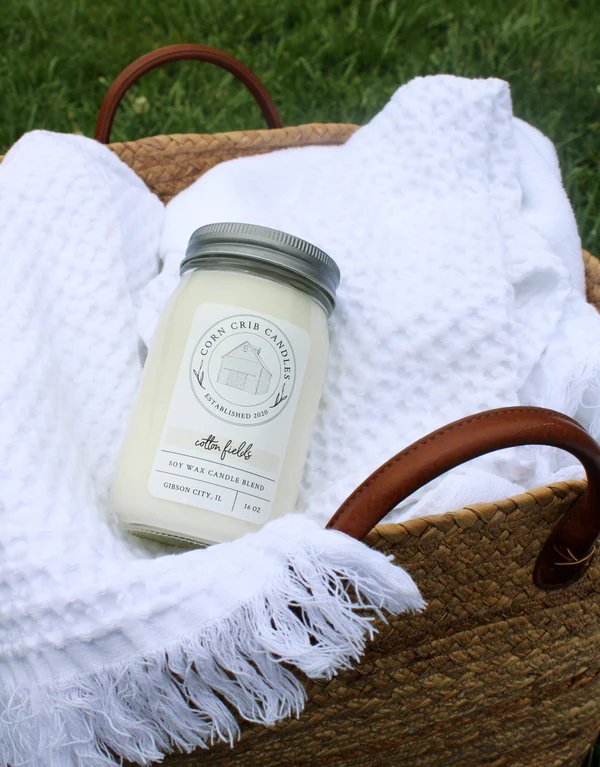
Soy wax is a plant-based candle wax made from soybean oil. It is biodegradable and comes from a renewable resource, which is a big part of why so many households now look for it.
Here's the short version:
- Soy wax is plant-based; paraffin is petroleum-derived.
- Soy candles generally burn slower and cooler.
- Cotton wicks and trimmed wicks cut down on soot.
- Drafts, long burns, and untrimmed wicks cause smoke in any candle.
Below, we'll walk through how each wax is made, what the clean-burn claims really mean, and the everyday habits that keep soot out of your home.
Soy vs Paraffin Wax Candles: What the Difference Really Means
The soy vs paraffin wax candles comparison comes down to source, burn behavior, and how each wax handles a flame. Both can make a lovely candle. The difference shows up in how they burn and what ends up in the air.
How Each Wax Is Made
Paraffin wax is refined from petroleum. Soy wax comes from soybean oil that is hydrogenated into a solid. That plant-based origin is why soy wax is called a renewable resource and why it breaks down more readily over time.
Burn Rate, Melt Point, and Soot
Soy wax has a lower melting point, so it tends to burn cooler and slower. A slower burn means a longer burn time from the same amount of wax. Paraffin burns hotter, and hot, fast burns are more likely to throw off black soot.
Neither wax is automatically clean. A soy candle with a mushroomed wick and a four-hour burn can smoke just as much as paraffin.
The Evidence Behind Clean-Burn Claims (and the Caveats)
Here is the part most candle articles skip: "cleaner" is not a single, measured property. It is a bundle of claims about soot, smoke, and indoor air, and those claims get tested in very different ways, or not at all. Understanding that gap is the difference between trusting a label and trusting your own nose.
What "Cleaner" Actually Measures
When researchers or manufacturers talk about candle emissions, they are usually looking at a few specific things:
- Particulate matter (PM). Tiny solid and liquid particles, including the black soot you see on a jar rim. PM is the measure most closely tied to visible smoke.
- Volatile organic compounds (VOCs). Gases released from wax, fragrance, and combustion. Some fragrance materials and some waxes contribute here.
- Carbon monoxide and carbon dioxide. Combustion byproducts that rise with incomplete burning and poor airflow.
- Soot deposition. The residue that settles on walls, ceilings, and shelves over months of burning.
A candle can be low in one of these and higher in another. That is why a single "burns cleaner" badge on a product page tells you very little on its own.
How a Fair Comparison Would Work
A meaningful soy-versus-paraffin comparison would hold everything else constant: the same wick size and type, the same fragrance load, the same jar, the same burn duration, and the same room conditions. Then it would measure PM, VOCs, and soot under controlled airflow.
That does not make soy claims false. It means the honest version is narrower: a well-made soy candle with a properly sized cotton wick and a sensible fragrance load tends to produce less visible soot than a hot-burning, oversized-wick paraffin candle. The wax is one variable among several.
What the Regulators and Guidance Actually Say
The U.S. Environmental Protection Agency's indoor air quality guidance treats candles as one of many indoor combustion and fragrance sources rather than singling out a wax type. The U.S. Consumer Product Safety Commission focuses on fire and burn safety, not emissions rankings. In other words, no federal standard certifies one wax as "cleaner" than another. When you see that word, read it as a description of sourcing and burn behavior, not a certified measurement.
How to Read a Clean-Burn Claim
A few questions cut through most marketing language:
- What is being compared? A specific candle against a specific candle, or a wax category against a straw man?
- What was measured? Soot, PM, VOCs, or just "less smoke" as an impression?
- What else is in the candle? Wick type, fragrance load, dyes, and additives all move the result.
- Under what conditions? A trimmed wick in still air behaves nothing like a mushroomed wick beside a vent.
The Honest Takeaway
Soy wax has real, defensible advantages: it is plant-based, biodegradable, and comes from a renewable crop, and it tends to burn cooler and slower than paraffin. Those are meaningful reasons to choose it. "Cleaner" is a relative word, though, and the cleanest result comes from a well-constructed candle burned with care. We would rather tell you that plainly than promise a number we cannot stand behind.
How to Trim Candle Wicks for a Cleaner Burn
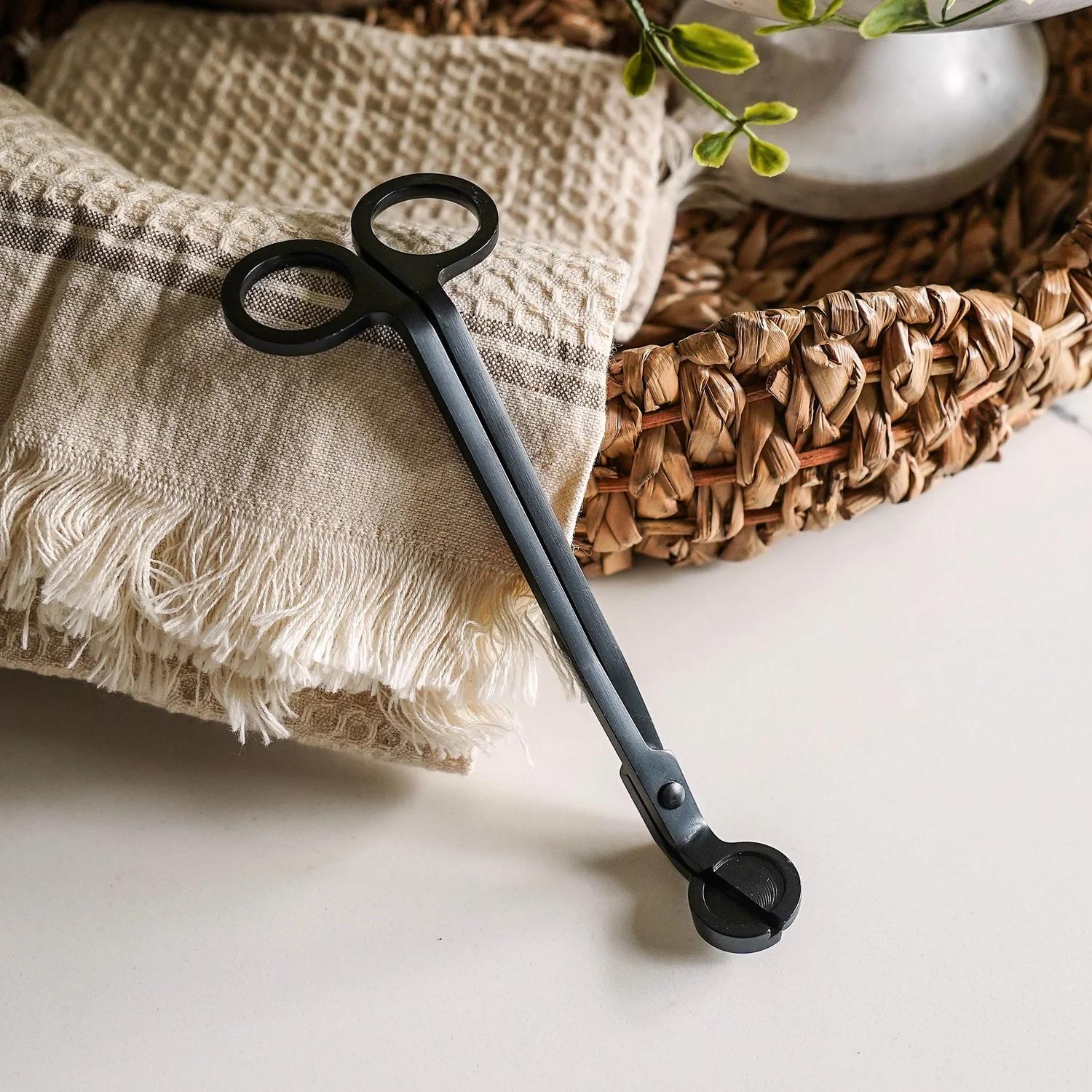
Knowing how to trim candle wicks is the single most effective habit for a cleaner burn. Trim the wick to about 1/4 inch before every burn, once the candle is cool.
Here's the routine we recommend:
Wick Trimmers for Candle Care – Five Finishes →
- Let the candle cool completely.
- Use a wick trimmer or small scissors to cut to 1/4 inch.
- Remove the trimmed pieces from the wax.
- Straighten the wick so it stands upright.
- Light and enjoy.
Our Wick Trimmers for Candle Care come in five finishes and make this step part of your routine.
Everyday Habits That Reduce Soot From Any Candle
You can lower soot from any candle, soy or paraffin, with a few simple habits. The goal is a steady flame and a reasonable burn length.
- Keep candles out of drafts. Near vents, open windows, and ceiling fans, flames flicker and smoke.
- Burn for two to four hours at a time. Longer burns overheat the wax and wick.
- Trim before every light. A mushroomed wick is the top cause of black soot.
- Snuff instead of blowing out. Blowing sends a puff of smoke into the room.
- Give the room some air. A cracked window or a running air purifier helps clear the air.
- Keep the wax pool clean. Remove wick trimmings and debris before each burn.
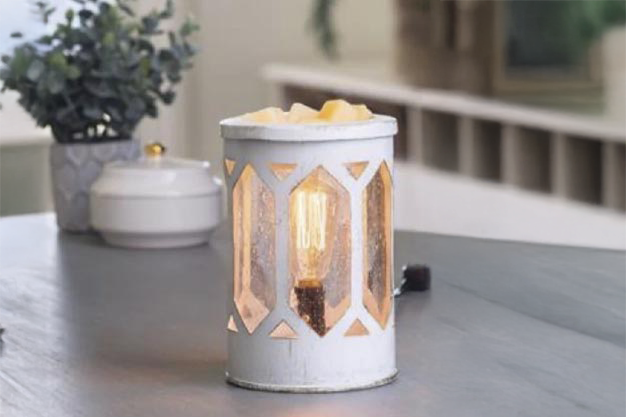
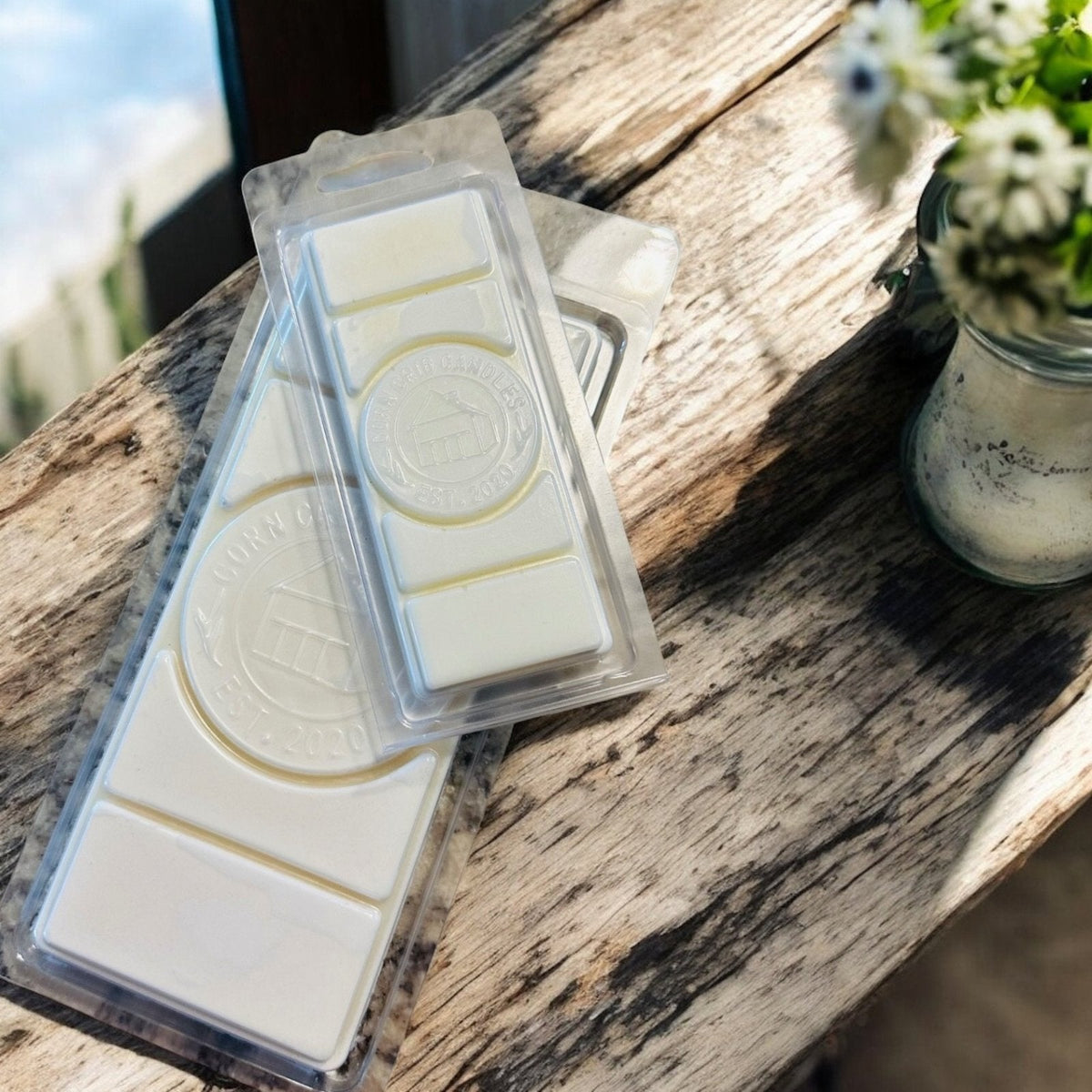
If you want the scent without a flame, a candle warmer melts the wax and releases fragrance with no soot at all. Our Timer Candle Warmer has a built-in timer, and the Rustic White Candle Warmer fits a farmhouse shelf nicely.
When a Soy Candle Smokes or Tunnels: Fixes That Work
A smoking or tunneling soy candle is almost always a wick or burn-time problem, not a bad batch of wax. Here's how to fix both.
If it smokes: Blow it out, let it cool, trim the wick to 1/4 inch, and check for drafts.
If it tunnels: A tunnel forms when the wax melts only in the center. Burn the candle long enough for the wax pool to reach the edge of the jar, usually two to three hours.
|
Problem |
Likely Cause |
Fix |
|---|---|---|
|
Black soot |
Untrimmed or oversized wick |
Trim to 1/4 inch, remove drafts |
|
Tunneling |
Short burn times |
Burn 2-3 hours to the jar edge |
|
Flickering |
Draft or wick too long |
Move candle, trim wick |
|
Weak scent |
Small wax pool |
Burn longer, warm the room |
Soy Wax Blends and Ingredient Transparency
A candle labeled "soy" is very often a soy blend, not pure soy wax. Blending is a normal part of candle making, and understanding why it happens helps you read a label with clear eyes instead of guessing.
Why Makers Blend Waxes
Pure soy wax has quirks. It can cool with a slightly rough or frosted top, and it can pull away from the jar glass. Many makers add a portion of another plant-based wax, such as coconut or palm, to smooth the surface, improve fragrance performance, and create a more even burn. Some blends include a small amount of paraffin for the same reasons. None of that is inherently bad, but it does mean "soy candle" and "100% soy wax" are not the same claim.
What Else Ends Up in the Jar
Wax is only part of the recipe. The rest of the ingredient list shapes how the candle burns and what it emits:
- Wick. Cotton, paper, wood, or cotton wrapped around a metal core. A metal core is not automatically unsafe, but it is worth knowing about, and a wick that is too large for the jar is a common soot source regardless of wax.
- Fragrance. Fragrance oils carry the scent, and the load matters. A heavily fragranced candle can produce more emissions than a lightly scented one, even with the same wax.
- Dyes. Cosmetic, but they are additives, and some readers prefer to skip them.
- Additives. Small amounts of substances used to improve adhesion, smooth the surface, or boost scent throw. Makers do not always disclose these.
How to Read a Candle Label
A label that earns your trust tends to be specific rather than poetic. Look for:
- A plain wax statement. "100% soy wax" or "soy-coconut blend" tells you more than "soy-based."
- Wick material named. "Cotton wick" or "wood wick" beats silence.
- Fragrance described, not just named.
- Dyes disclosed. "Undyed" is a clear, checkable claim.
- A maker willing to answer questions. A small brand that responds to a note about ingredients is telling you something about how it operates.
What We Do and Why
We hand-pour our soy candles in small batches and list our materials clearly because we believe transparency is part of a clean burn. We are a family-owned shop, not a lab, and we would rather describe what we actually use than make a claim we cannot verify. When you know what is in the jar, you can choose a candle that fits your home and your values, whether that means pure soy, a blend, or a different format entirely.
If ingredient disclosure matters to you, ask before you buy. A quick message to a small maker usually gets a straight answer, and the response itself tells you a lot about the brand.
The cleanest candle is a well-made one, burned with care. Wax type matters, but wick care, fragrance load, and burn habits matter just as much.
Frequently Asked Questions
Is it healthy to burn soy candles?
Soy candles are often chosen for indoor spaces because soy wax is plant-based and tends to produce less soot than paraffin when burned properly. That said, no candle is completely emission-free. Scented candles release some VOCs and fine particles regardless of wax type. Keep rooms ventilated, trim wicks to the length the candle care instructions recommend, and avoid burning for more than a few hours at a time. If you are sensitive to fragrance, choose unscented options or use a candle warmer instead of an open flame.
What does 'clean burn candle' mean?
A clean burn candle typically refers to one that produces minimal visible soot and smoke while burning steadily. Soy candles are often described this way because soy wax is plant-based and has a lower melting point than paraffin, which can support a slower, more even burn. The term is not a regulated standard, so treat it as a descriptive phrase rather than a certification. Wick size, trimming, drafts, and fragrance load all affect how clean any candle actually burns.
Why do soy candles produce less soot?
Soy wax is derived from soybean oil, a renewable plant source, while paraffin is petroleum-derived. In practice, soy wax tends to burn at a lower temperature and can produce less black soot than paraffin when the wick is correctly sized and trimmed. Soot is mostly unburned carbon, so a long or mushrooming wick will smoke regardless of wax type. Trimming the wick before each burn and keeping the candle away from drafts matters as much as the wax itself.
How does soy wax differ from paraffin wax?
Soy wax comes from soybean oil and is biodegradable and renewable. Paraffin is a byproduct of petroleum refining. Soy wax has a lower melting point, which often means a slower burn and a wider wax pool, while paraffin tends to burn hotter and faster. Soy can also be more prone to frosting or uneven tops, which is normal. Many candles labeled soy are actually blends, so check the ingredient list if full soy content matters to you.

Leave a comment
This site is protected by hCaptcha and the hCaptcha Privacy Policy and Terms of Service apply.