

Table of Contents
- Start With the Room, Not the Scent
- Best Wax Melt Scents for Each Room
- Match Scent Strength to Room Size
- Wax Melt Scent Combinations That Work Together
- How to Layer Home Fragrance Without Clashing
- How Long Do Wax Melts Last?
- Safe Placement and Household Considerations
- Conclusion
- Frequently Asked Questions
Last Updated: October 21, 2026
Start With the Room, Not the Scent
The fastest way to pick scented wax melts is to choose the room first and the fragrance second. A scent that feels perfect in a bedroom can feel heavy in a hallway. The room sets the rules: how big it is, how often people pass through, and what happens there.
Below, we will walk through each room of the house, match fragrance families to moods, and explain how to pick a scent strength that fits your space. We will also cover how to layer scents, how long wax melts last, and where to place a warmer safely.
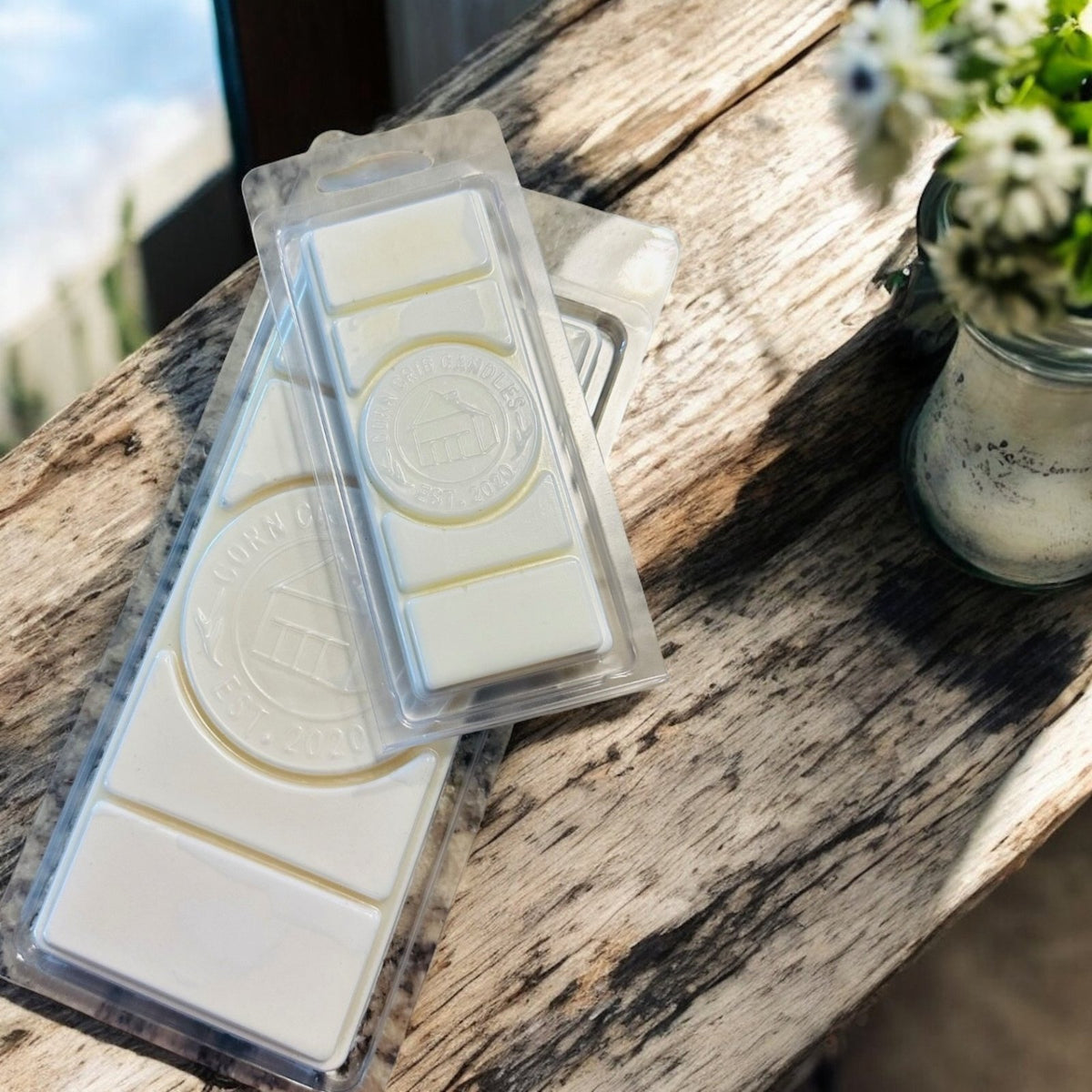
Think of a wax melt as a small, steady source of home ambiance. It releases fragrance as the wax warms, and you control the amount by how many cubes you add. That is the whole idea. Simple, forgiving, and easy to adjust.
Best Wax Melt Scents for Each Room
The best wax melt scents for each room are the ones that match the room's purpose and mood. Warm, cozy blends suit gathering spaces. Soft floral and herbal scents suit bedrooms. Fresh, clean notes work best in kitchens and bathrooms.
Living Room: Warm and Welcoming
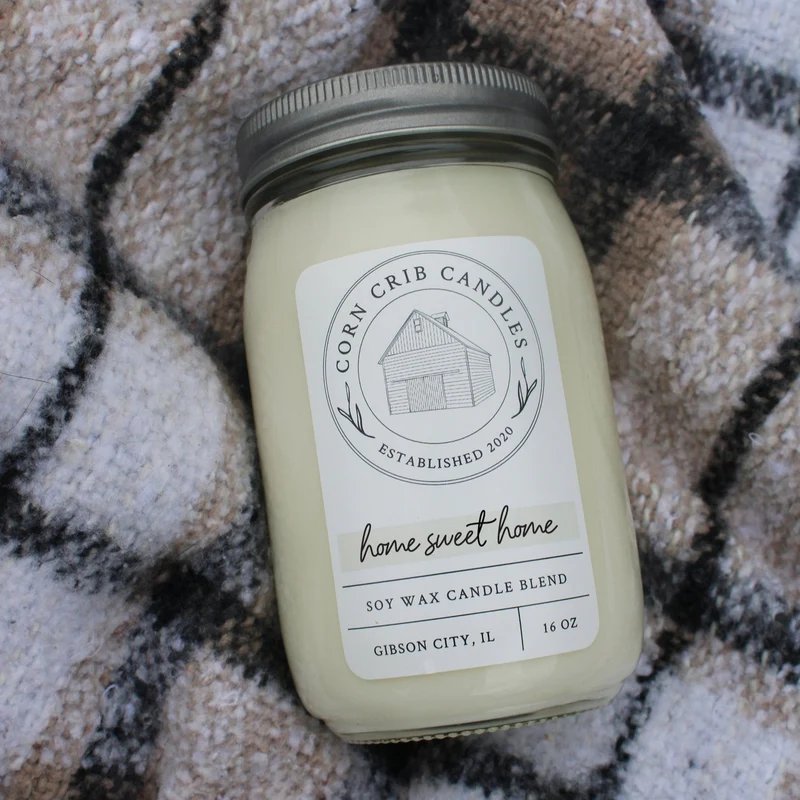
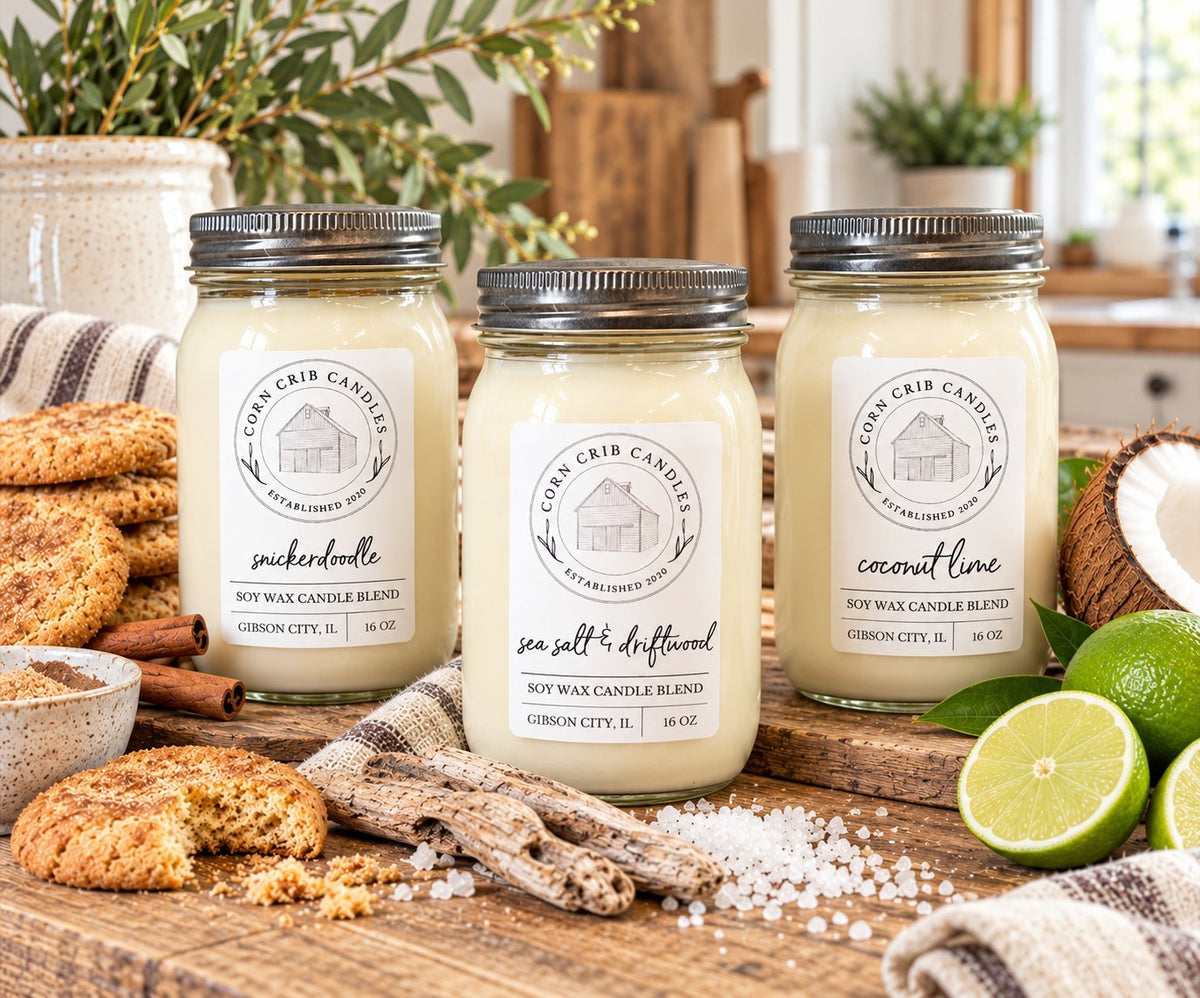
The living room is where people gather, so choose a fragrance with warmth and depth. Bakery blends and amber notes feel inviting without shouting. Our Snickerdoodle melts bring cinnamon, sugar, honey, butter, and creamy vanilla together, which suits cool evenings and holiday gatherings.
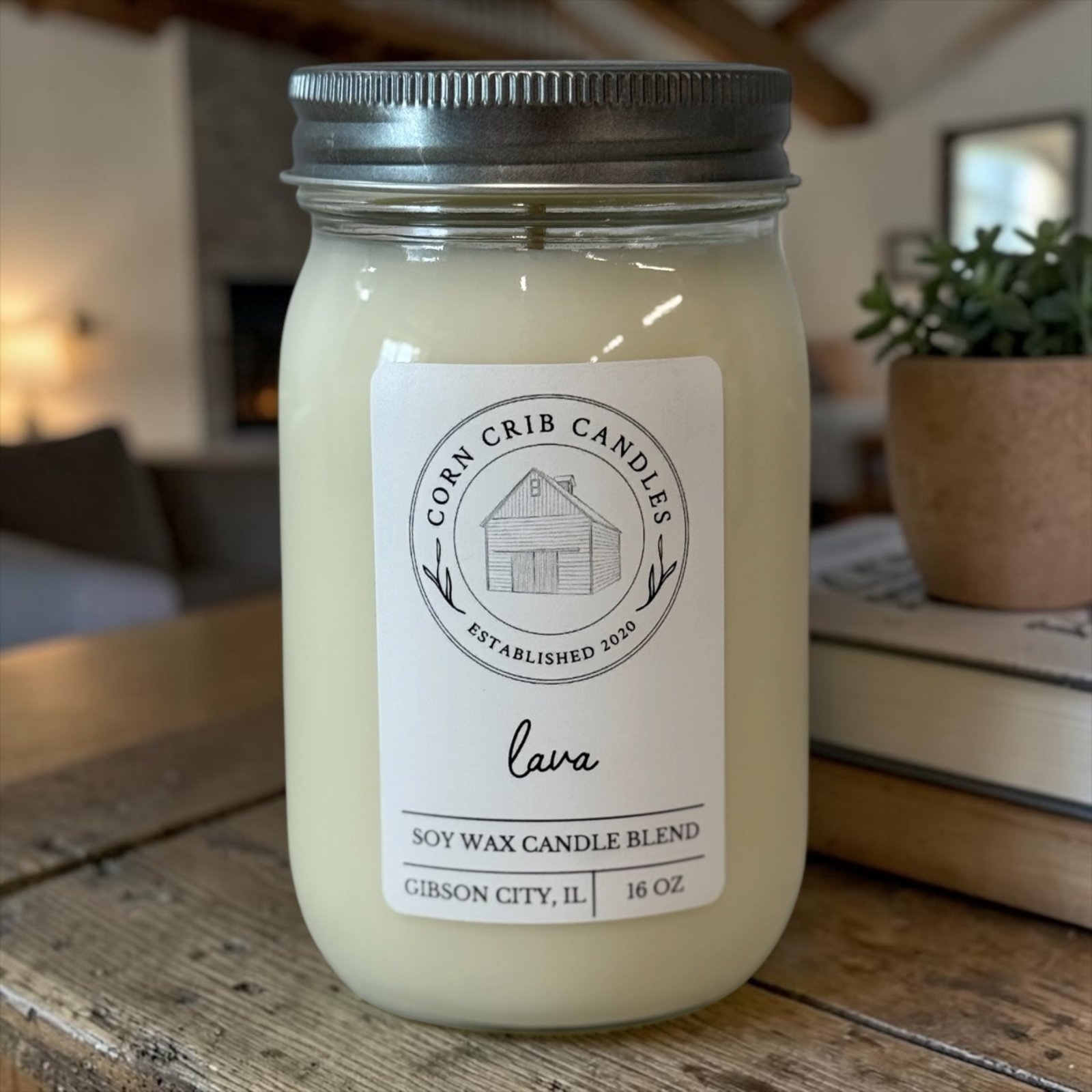
Lava Candle & Wax Melts
If you prefer something less sweet, Lava pairs a nautical freshness with amber, vanilla, and clean musk. It reads warm but never heavy, which makes it a good fit for a room you use all day.
Bedroom: Soft and Calming
Bedrooms call for subtle aroma, not a wall of fragrance. Floral and herbal blends work well here. Lavender, softened with citrus, camphor, and eucalyptus, is a classic choice for winding down.
Our Relaxation melts lean spa-like, with mandarin, bergamot, jasmine, and white tea. Both scents stay gentle in a smaller room, which is exactly what you want at bedtime.
Kitchen and Bathroom: Fresh and Clean
Kitchens and bathrooms benefit from fresh, clean scents that reset the air. Citrus, herbal, and lightly floral notes work best. A single cube is usually plenty in these smaller spaces.
Skip heavy bakery blends here. They can clash with cooking smells and make a small room feel stuffy.
Match Scent Strength to Room Size
Scent strength should follow room size, but square footage alone will not tell you how many cubes to add. Ceiling height, how open the space is, and how much air moves through it all change how far a fragrance travels. The goal is a scent you notice when you walk in and then forget about while you sit there.
A simple starting framework, based on the rooms most of us actually have:
- Small, enclosed spaces (bathrooms, hallways, laundry rooms, walk-in closets): one cube. These rooms hold scent tightly, so a single cube often reads stronger here than three cubes in a larger room.
- Standard bedrooms and home offices (roughly 100 to 150 square feet with an 8-foot ceiling): one to two cubes. Start with one and give it an hour before adding a second.
- Average living rooms and kitchens (roughly 200 to 300 square feet): two cubes. If the kitchen opens into the living room, treat the combined space as one larger room rather than running two warmers side by side.
- Open-plan and vaulted spaces (great rooms, finished basements, rooms with ceilings above 9 feet): three cubes, or a second warmer placed at the opposite end of the room. Tall ceilings give fragrance room to rise and disperse, so scent often feels weaker at seated height than the cube count suggests.
Airflow matters as much as square footage. A drafty room carries scent away fast, while a closed room holds it in. Watch how the space feels after an hour, then adjust. If the scent disappears within 30 minutes, the issue is usually air movement rather than too little wax, check for a ceiling fan, an HVAC vent, or an open doorway pulling fragrance out of the room before you add another cube.
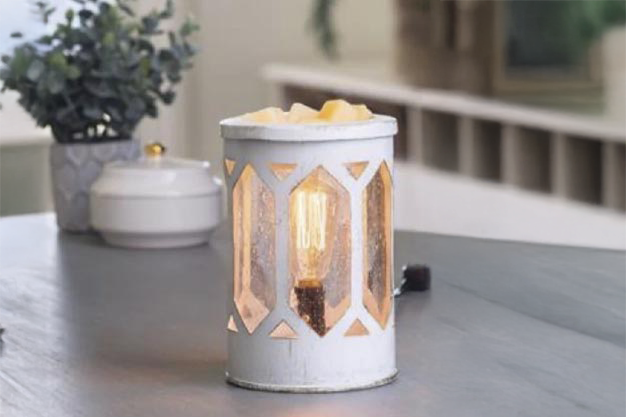
Warmer type plays a role too. A warmer with a higher-wattage bulb or a broader warming plate releases fragrance faster and more intensely than a low-wattage tea light warmer, so the same two cubes can read very differently from one warmer to the next. If you switch warmers, recalibrate your cube count rather than assuming it will behave the same way.
Wax Melt Scent Combinations That Work Together
Mixing scents works when the blends share a common note. Pair warm with warm, fresh with fresh, and floral with herbal. A few combinations we reach for often:
- Cinnamon bakery blends with vanilla or amber notes
- Lavender with citrus or eucalyptus
- Fresh nautical scents with clean musk
- Herbal spa blends with soft floral notes
Avoid pairing strong bakery scents with sharp citrus. The two fight each other, and neither reads clearly.
How to Layer Home Fragrance Without Clashing
Layering home fragrance means using more than one scent in a home at the same time, and the goal is harmony, not volume. Keep each scent in its own room. Let a warm blend anchor the living room while something softer lives in the bedroom.
Complementary scents share a family. Woody with amber, floral with herbal, citrus with fresh musk. If two scents share no common ground, keep them in separate zones.
Change scents between seasons, too. Lighter, fresher blends suit spring and summer. Warmer, spicier blends feel right in fall and winter.
How Long Do Wax Melts Last?
Wax melts last several hours per cube, depending on the warmer, the wax, and the cube size. Scent fades before the wax stops melting, which is your signal to swap it out.
To change scents, let the wax cool, then press a cotton ball into the solid disc and lift it free. Wipe the dish clean before adding new wax cubes.
Our wax melts come in 2 oz. and 6 oz. sizes, so you can try a scent before committing to a larger bag.
Safe Placement and Household Considerations
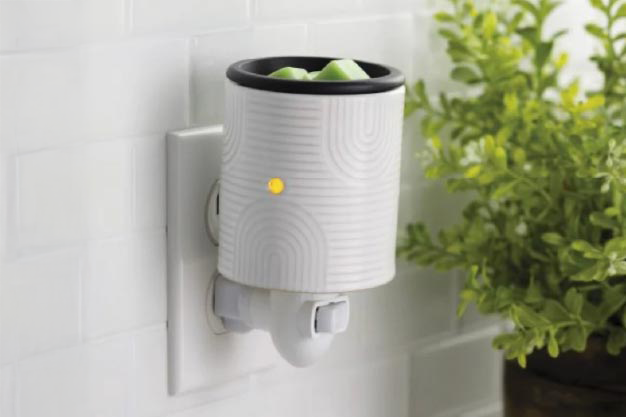
Safe placement starts with a stable, heat-safe surface away from drafts, curtains, and anything that can tip. A side table or bookshelf works well, but the surface itself matters: sealed wood, stone, and metal are forgiving, while unfinished wood, paper, and fabric can be marked by a warm warmer base over time. A simple trivet or a small ceramic tile underneath protects the finish and makes cleanup easier.
Keep the warmer out of reach of children and pets, and never leave hot wax unattended. Melted wax stays hot enough to cause a burn long after the warmer is switched off, so treat the dish the way you would a hot pan. Place warmers where a cord cannot be pulled, and keep them off the floor and away from the edge of counters where a tail or a small hand can reach.
Place the warmer in a well-ventilated room, but away from open windows and air vents. Drafts weaken scent throw and can tip a lighter warmer. A spot with a little clearance on all sides lets heat escape and keeps the warmer from overheating.
Households with pets, children, or fragrance sensitivity deserve a little extra care:
- Pets: Cats and dogs are more sensitive to concentrated fragrance than people are, and some essential oils and fragrance compounds affect them differently. Keep warmers well above tail height, never leave wax where a pet can reach it, and watch for signs of irritation. If a pet seems bothered, move the warmer to another room or run it less often.
- Children: Choose warmers with enclosed or covered dishes where possible, keep cords short and tucked, and unplug the warmer when the room is unsupervised.
- Fragrance sensitivity: If anyone in the home is sensitive to fragrance, run the warmer briefly and keep the room ventilated. A subtle aroma is always the safer choice in shared spaces, and a single cube in a well-ventilated room is easier to live with than a strong scent in a closed one.
A few practical habits make warmers safer and easier to live with. Let wax cool completely before moving the dish, never add water to hot wax, and wipe the dish clean between scents so old fragrance does not linger. If you use a tea light warmer, never let the flame burn unattended and keep the warmer away from anything that can catch. If you use an electric warmer, unplug it when you leave the house or go to bed.
Conclusion
Choosing scented wax melts for each room comes down to three things: the room's purpose, its size, and the mood you want to create. Start with one cube, adjust as you go, and let each space have its own signature scent.
At Corn Crib Candles, our hand-poured soy wax melts come in thoughtful blends like Lavender, Relaxation, Snickerdoodle, and Lava. Explore our wax melt collection and find the scent that makes each room feel like home.
Frequently Asked Questions
How long do wax melts keep their scent?
Most scented wax melts hold their fragrance for several hours of active warming, and many keep throwing scent for two to three days of use depending on the warmer, the room, and the scent strength. When the aroma fades, let the wax cool, pop out the spent cube, and add a fresh one. Storing unused melts in a cool, dry place away from direct sunlight helps them keep their scent longer before the first use.
How many wax melts should you use at once?
Start with one cube or a small piece and give it time to melt and travel through the room. In a small bedroom or bathroom, one cube is usually plenty. In a larger living room or open kitchen, you may want two cubes or a second warmer across the space. Adding more than that at once can make the aroma overwhelming, so it is better to start small and add another cube if the scent feels too subtle after an hour.
What are some good wax melt scent combinations for different rooms?
Pair scents that share a family or complement each other gently. In a living room, try a warm bakery scent like Snickerdoodle with a fresh nautical blend like Lava for balance. In a bedroom, lavender with a soft spa fragrance creates a calm, layered feel. In kitchens and bathrooms, citrus and herbal notes work well together. Avoid mixing two very strong, unrelated scents in the same room, since they can compete rather than blend.
How can you keep wax melt scents from competing between rooms?
Use one scent per room and keep doors between spaces closed when you can. Choose lighter, fresher scents in shared areas and reserve stronger, cozier blends for rooms where you spend quiet time. If two rooms are open to each other, pick scents from the same family, such as two fresh or two warm blends, so the aromas complement each other instead of clashing. Running a ceiling fan or opening a window briefly can also help clear the air between scent changes.

Leave a comment
This site is protected by hCaptcha and the hCaptcha Privacy Policy and Terms of Service apply.